Artistic Action in Practice
Featured Video
Interview Sections
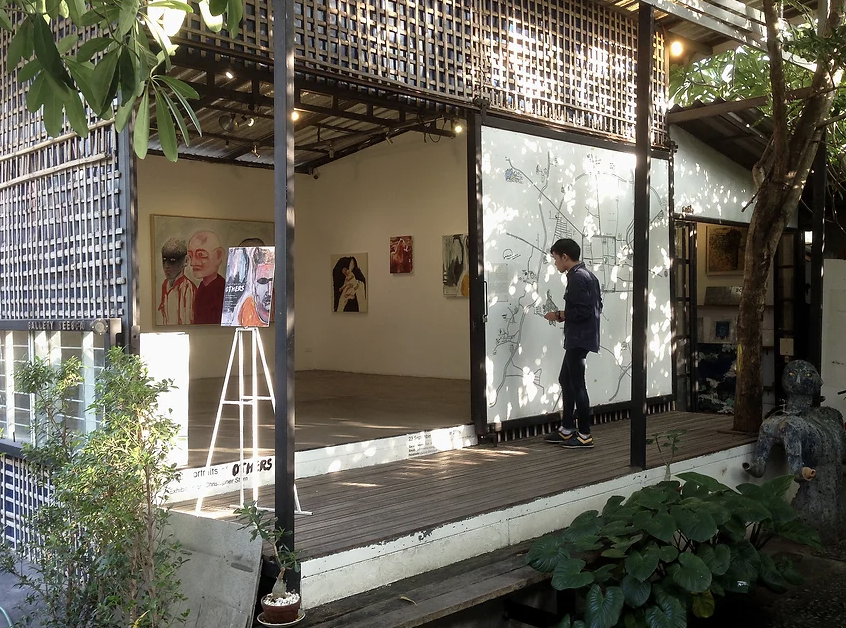
Gallery Seescape: Clairy Khunsuthum
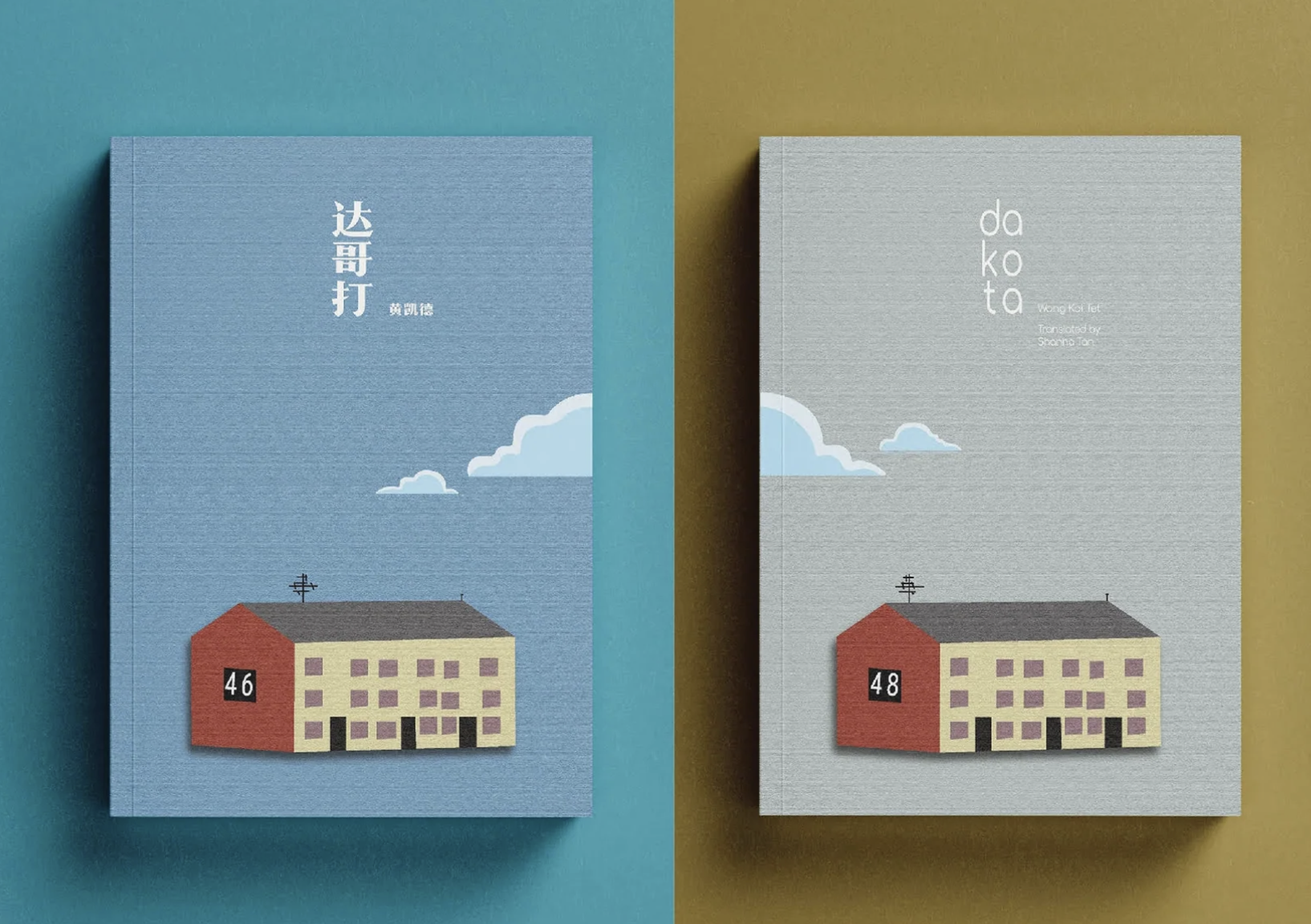
Book Republic: Noona Arusa Panyakotkaew
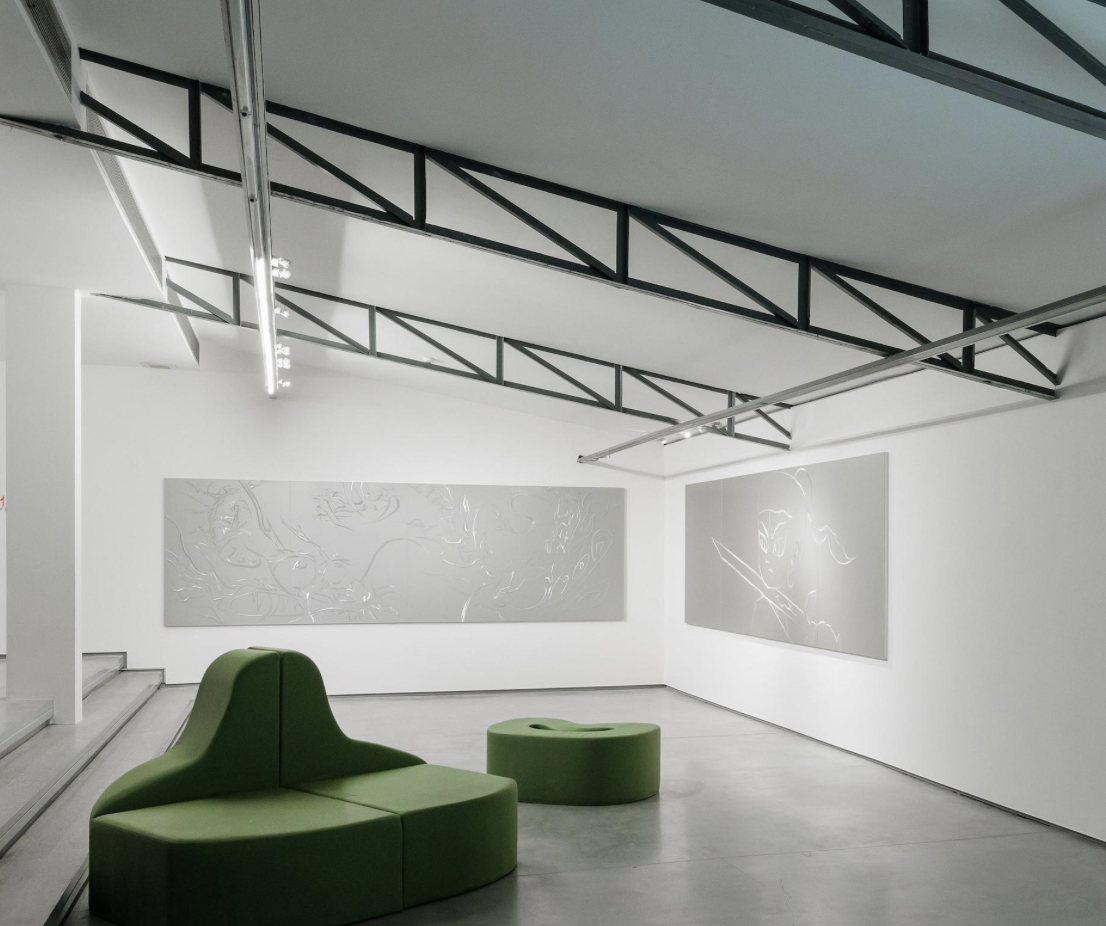
Maiiam Contemporary Arts Museum: Zoe Butt
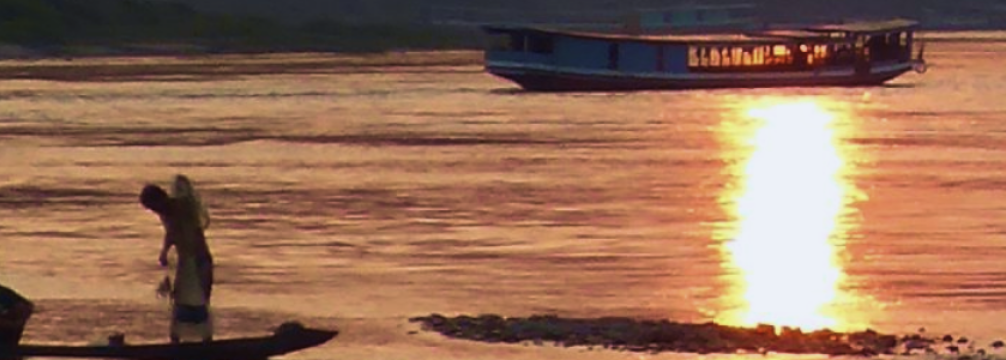
Mekong School: Chak Kineesee
Exploration of Action
1. What are the dynamics of tradition and creativity in contemporary cultural expressions?
In contemporary cultural expressions there is a dynamic interplay between tradition and creativity. This blend is evident in places like the works of artists such as Inson Wongsam. Traditional motifs and historical narratives are often reinterpreted and infused with modern techniques and perspectives. For instance, the contemporary artworks seen at Maiiam Contemporary Arts Museum often juxtapose traditional themes with innovative artistic methods, reflecting a dialogue between the past and present. Picasso's cubist painting 'Guernica' that explores the chaos of the bombing of Guernica during WW2 is reinterpreted by Aung Htun in 'Burmica' to represent the tragedies and the heroes of the Myanmar conflict.
2. What capacity does contemporary cultural expression have to address what issues?
Contemporary cultural expression in the Mekong region has a significant capacity to address a wide range of issues, including social, political, and environmental concerns. Art can highlight human rights issues, as seen in the Maiiam Contemporary Arts Museum exhibition on displaced persons along the Thailand-Myanmar border. This exhibition uses art to document and bring attention to the struggles and resilience of displaced communities. The exhibitions and safe spaces that can openly discuss sensitive topics such as faults in the government's responses and the crisis on the border that would otherwise face suppression from the government.
Similarly, Dhepsiri Creative Space and Friends without Borders use art to foster social cohesion, promote environmental awareness, and give voice to marginalized communities. Not only does the Creative Space draw together various artists otherwise active in independent mediums, but it also serves as a community center for local meetings, teaching spaces and at times exhibition spaces for niche artistic expressions such as shadow puppetry that otherwise would not be able to afford an independent showcase. These various forms of art that combine old crafts with new perspectives truly bring to the surface the current issues face in the region, from social to political and environmental concerns.
3. Who is opposed to contemporary art and why?
Opposition to contemporary art often comes from conservative and traditionalist segments of society, including certain political and religious groups. These opponents may view contemporary art as a threat to traditional values and cultural norms. They may also perceive it as politically subversive or socially disruptive. For example, contemporary art that addresses political issues, such as government corruption or human rights abuses, can attract opposition from authorities who see it as a challenge to their power. The non-communicative nature and euphemism allusions of contemporary art in particular can effectively serve as resilient cultural touch-points that circumvent censorship attempts, and thus attract wariness from would-be suppressors.
Additionally, art that challenges social norms around gender, sexuality, or religion may be resisted by those who hold conservative views on these topics. Although Thailand is relatively progressive in the treatment and debate over gender minorities and the queer community, overt depictions of sexuality are still shunned as obscene. Places like the Book Republic offer safe spaces that allow people to have open discussion about such issues and more. The organization face lashback from the Thai National Security as they argued that Book Republic would destroy relationships between the countries. The seminar they organized which targeted sensitive issues on democracy, monarchy and constitution was considered problematic and resulted in their loss of funding, being forced to stop operating for a year.
4. How do contemporary artistic expressions relate to identity?
Contemporary artistic expressions play a crucial role in shaping and reflecting individual and collective identities. In the Mekong region, artists often explore themes of cultural heritage, national identity, and personal experiences in their work. At venues like Book Re and Sriwan Janehuttakarnkit's studio at Sridonmoon Art Space, artists engage with questions of identity through their art, reflecting on their own cultural backgrounds, histories, and experiences. This process helps to affirm and sometimes challenge existing notions of identity, offering new perspectives and fostering a deeper understanding of the diverse identities within the region.
5. Who is responsible for censorship and self-censorship?
Censorship in the Mekong region is caused by different partie, including government authorities, religious institutions, and the artists themselves. Government censorship often arises from laws and regulations that limit freedom of expression, especially regarding political content or criticism of the country. As a result, artworks addressing governmental structures are closely examined and often suppressed.
Self-censorship occurs when artists modify or restrain their work to avoid potential repercussions, such as legal penalties, and financial loss, they may also be afraid of losing their funding if their artwork includes content that is considered as inappropriate. This not only stifles the creation of cultural works but also hinders the curatorial efforts needed for art pieces to be exhibited or distributed to the public.
6. What possibilities lie in between activism and silence?
Artists not engaging in any particular activism or prevalent social issues but still producing artistic works is important in uploading the cultural frameworks. It was super interesting to witness that a very fine but creative line can lie between activism and silence. Before the trip, we didn't know that those who are politically silent can still be strong activists. For example in the case of a bookstore visit or a shadow theater, we encountered women who are expressing their views using art forms such as books and theater, but still going against the traditional old norms. The norms that dictate that critical thinking for students is problematic or the norm of not allowing women to perform publicly.
7. What are the issues that artists face in Asia, and particularly the Mekong Region?
One of the issues we learnt on our Bookstore visit is that the hierarchical society in Thailand makes young artists depend on the opinions of older generations or those standing higher in authority. From an early age students are not allowed to go against their teacher which restricts artistic expression's creativity and critical thinking. The second issue is that the foreign funds get disrupted because of the government's national security concern and many artists who show different views than that of the government get politically punished in many ways.
In Lanna village, we learnt that public pressure can inhibit the work of artists who are trying to contribute to environmentally friendly projects such as planting more trees as part of art installations. The root cause of this is the government's concern to maintain status because of the uproar on social media since local people are uneducated about the climate change associated problems and resist reduction of roads.
During our national park visit in Chiang Rai, we discovered that the art relics are not signed by artists historically since the belief is that one cannot own Buddha images. This presents the problem of not being able to trace back the authorship, thus no protection of artists' rights of ownership. In addition, weather conditions in Thailand like humidity and acidity of some wood make artists limited in their choice of materials and the only thing that can endure such conditions is a teak usage. Some textbook collections disappeared because of humidity and insects making the art preservation conditions harder for artists.
8. What are the risks in the Mekong Region that artists are engaging with?
First of all, artists who show democratic or just social activism get under the control of governmental figures. In case they find their work too "radical", the risks they face are jail imprisonment, restriction of travels abroad without special permission, and hold in their bank accounts. Therefore, the artists we met had used a bookstore as a medium of art to influence young people.
Another risk is that women are not allowed to perform in Thailand, and those who would like to express their art through performance are at the risk of going under military regime. During the class, we saw that a shadow theater can be a medium for women to perform not directly, but behind the scenes.
One of the most common risks they face is the cut of foreign funding they receive since the government's approval is required first. This limits artists in their choice of topics they want to express and as a result their talent and artworks may get wasted in cases considered "inappropriate".
Members
Dachi Tarughishvili
Computer Science
Visiting Thailand was an experience filled with culture and emotions that helped me better understand the Mekong region in a more profound way. The artists we met and the art we experienced firsthand gave me a deeper understanding of contemporary culture and its effects on society and people.
Ruxandra Burian
Mechanical Engineer
The way we experienced Thailand on this trip was truly unique, as we had the pleasure to meet with experienced artists and visit inspiring places. Interviewing the people allowed me to better understand the struggles the people in the region feel, both in their artistic expression and their daily lives.
Balnur Ibrash
Biology
I was surprised to learn that the Thai government and people are really conscious about the importance of nature. The laws against illegal wood cutting and reusing old house wood to build a museum in the national park of Chiang Rai are some of great examples.

Tiannan Wang
Psychology
The integration of nature and arts in the Mekong region: using lipstick flowers, flower seeds, natural clay, seashells as materials in paintings.
Denny Han
Legal Studies
Much like how a river cannot be reduced to a mere numerical combination of its sources, the artists of the Mekong region characterize the voice and heartbeat of the regional culture through an undivisible chorus.